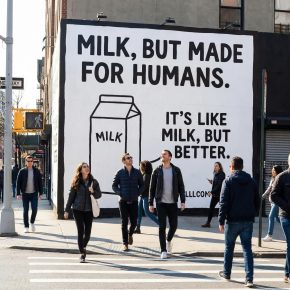
For years, brand marketers were taught to believe culture and commerce lived in different lanes.
Culture was the “brand stuff.”
Commerce was the “performance stuff.”
One built awareness. The other built revenue. And the two were often managed by entirely different teams, budgets, and timelines.
That model no longer works.
As we head into 2026, the most successful consumer packaged goods brands are proving a simple truth: culture and commerce don’t compete—they compound. When treated as a single system, they drive relevance, pricing power, and long-term growth. When separated, brands drift into irrelevance or race to the bottom on price.
At Agency Squid, we see this shift playing out across every category we touch—wine, spirits, food, wellness, pet care, lifestyle goods. The brands growing right now aren’t louder. They’re clearer. They’re culturally fluent and commercially disciplined.
This is the operating model brand managers need to understand going into 2026.
Why Culture Became a Revenue Lever (Not a Brand Nice-to-Have)
In 2025, marketing trade publications—from AdAge to The Drum to Fast Company—all pointed to the same pattern: performance marketing alone stopped outperforming.
Rising CPMs.
Flattening ROAS.
Creative fatigue.
Algorithmic sameness.
At the same time, brands that invested in cultural relevance—distinctive voice, emotional storytelling, participation in real human moments—saw stronger downstream performance. Not just awareness, but conversion efficiency, pricing resilience, and brand-led demand.
The takeaway for marketers is uncomfortable but unavoidable:
Culture is no longer upstream of commerce. It is part of the transaction.
Consumers don’t discover products in neutral environments anymore. They discover them inside feeds, communities, comment sections, creator content, and shared moments. That context shapes how much a product is worth before price ever enters the equation.
The Old Model vs. the 2026 Reality
The Old Model
Culture = awareness
Commerce = conversion
Brand campaigns sit “above the funnel”
Performance media does the real work
Short-term efficiency beats long-term equity
The New Reality
Culture creates demand and preference
Commerce validates culture through action
Creative work must earn its place in culture
Performance improves when meaning is clear
Brand equity protects margin and velocity
In other words: if your brand doesn’t mean something, your price becomes the only signal left.
What “Culture + Commerce” Actually Looks Like in Practice
This isn’t about chasing trends or forcing brands into TikTok humor that doesn’t fit. The brands winning right now are doing something more disciplined.
They design creative systems, not one-off campaigns
One big idea. Many expressions. Continuous presence.
This is why the “one big campaign” model continues to erode. Culture moves daily. Brands need frameworks that allow them to show up consistently without reinventing themselves every quarter.
They build emotional clarity before optimizing conversion
Commerce performs better when consumers understand:
Who the brand is for
What it stands for
Why it exists in their life
We’ve seen this firsthand in brand turnarounds where reframing meaning unlocked growth without discounting. When consumers feel aligned, performance media stops working so hard.
They use culture to justify price—not apologize for it
Premiumization didn’t disappear in a tougher economy. It evolved.
Brands that could clearly articulate craftsmanship, purpose, ritual, or identity maintained pricing power. Brands that couldn’t defaulted to promotions.
Commerce doesn’t reward cultural emptiness. It punishes it.
They create moments people want to participate in
The best CPG marketing today doesn’t interrupt culture—it invites participation.
That can look like:
Rituals tied to seasons or milestones
Humor that feels human, not manufactured
Community validation through creators and UGC
Content that reflects real behavior, not idealized personas
Participation drives memory. Memory drives preference. Preference drives sales.
Why This Matters More in 2026 Than Ever Before
Several forces are converging at once:
AI is flattening execution quality, making distinctiveness the real advantage
Search behavior is shifting toward trust and recommendation, not keywords alone
Retail environments are more competitive, not less
Younger consumers reward brands that behave like people, not institutions
Discount-driven growth is proving unsustainable
In that environment, separating culture from commerce is a structural disadvantage.
Brands that don’t integrate the two will:
Overpay for media
Undervalue creative
Lose pricing power
Struggle to build loyalty
Constantly chase short-term fixes
Brands that unify them will build demand that compounds.
What Brand Managers Should Do Now
As you plan for 2026, pressure-test your strategy with these questions:
Can our brand explain its value without mentioning price?
Do our creative assets reflect real cultural behavior or marketing assumptions?
Are we building a system or launching isolated campaigns?
Does our performance marketing reinforce brand meaning—or ignore it?
Would someone recognize our brand with the logo removed?
If those answers feel unclear, the opportunity is bigger than you think.
Our Point of View at Agency Squid
At Agency Squid, everything we do passes through three filters:
cultural relevance, creative impact, and commercial success.
Not in sequence.
Not in silos.
Together.
That’s how modern brands are built. That’s how categories are shaped. And that’s how consumer packaged goods brands will win in 2026—by treating culture and commerce as a single operating system, not competing priorities.
Because the future doesn’t belong to the loudest brand.
It belongs to the one that means something and moves product at the same time.