Libby Wine: Redefining What Wine Means in the Non-Alcohol Era
Libby set out to do something few wine brands dared: reimagine what modern wine could be for today’s mindful drinker. The result—a better-for-you, low-alcohol, lightly carbonated “bubbled wine” designed to fit a generation that’s re-evaluating its relationship with alcohol.
Libby was created for a generation rethinking its relationship with alcohol — the mindful drinker who still loves the ritual of raising a glass. As interest in non-alcoholic wine and low-alcohol beverages surges globally, Libby set out to challenge what “wine” could mean for the modern consumer: all the flavor, none of the compromise.
According to NielsenIQ, the no- and low-alcohol drinks market has grown more than 6% year-over-year, now accounting for billions in global sales. The shift isn’t about abstaining — it’s about intentionality. Ipsos research shows over half of millennials and Gen Z drinkers now seek moderation for reasons tied to wellness, focus, and self-control.
Libby’s founders saw an opportunity to create a new kind of social ritual — one that honored the taste, craft, and emotion of wine, without the hangover that follows.
The Challenge: Making Space in a Traditional Category
The wine industry has long positioned itself as exclusive and indulgent — a culture of corkscrews, connoisseurs, and rules. For today’s non-alcoholic wine consumer, that model feels out of step. They want sophistication without snobbery, experiences without excess.
Breaking into that landscape meant reframing wine as a feeling, not a proof point. Libby had to carve out emotional and cultural relevance in a space where “non-alcoholic” often meant “less than.”
Our mission:
Build belief in a non-alc wine brand that delivers on flavor and lifestyle appeal.
Educate consumers that choosing low- or no-alcohol doesn’t mean giving up the joy of wine.
Position Libby as the better-for-you alternative that belongs on every table, from brunch to book club.
The Insight: Moderation is the New Indulgence
For years, alcohol signified celebration. Now, clarity does. Consumers want the toast, not the toll — connection without the crash.
Research from FoodBev and USA Today confirms the same: social drinking isn’t disappearing, it’s evolving. Americans are re-imagining how they socialize, replacing heavy pours with mindful moments. In that context, non-alcoholic wine isn’t a niche — it’s a cultural reset.
Libby positioned itself as the drink of choice for those who believe pleasure doesn’t require proof.
The Solution: Building a Modern Brand For Mindful Drinkers
We approached Libby like a challenger brand in a legacy category — combining modern aesthetics with emotional storytelling that humanized the non-alcohol experience.
The brand platform, “Keep It Light with Libby,” became a rallying cry for balance and belonging. It stripped away wine’s pretension and replaced it with personality.
Our work included:
Positioning & Messaging Framework: Defining Libby’s purpose as the wine for modern moderation.
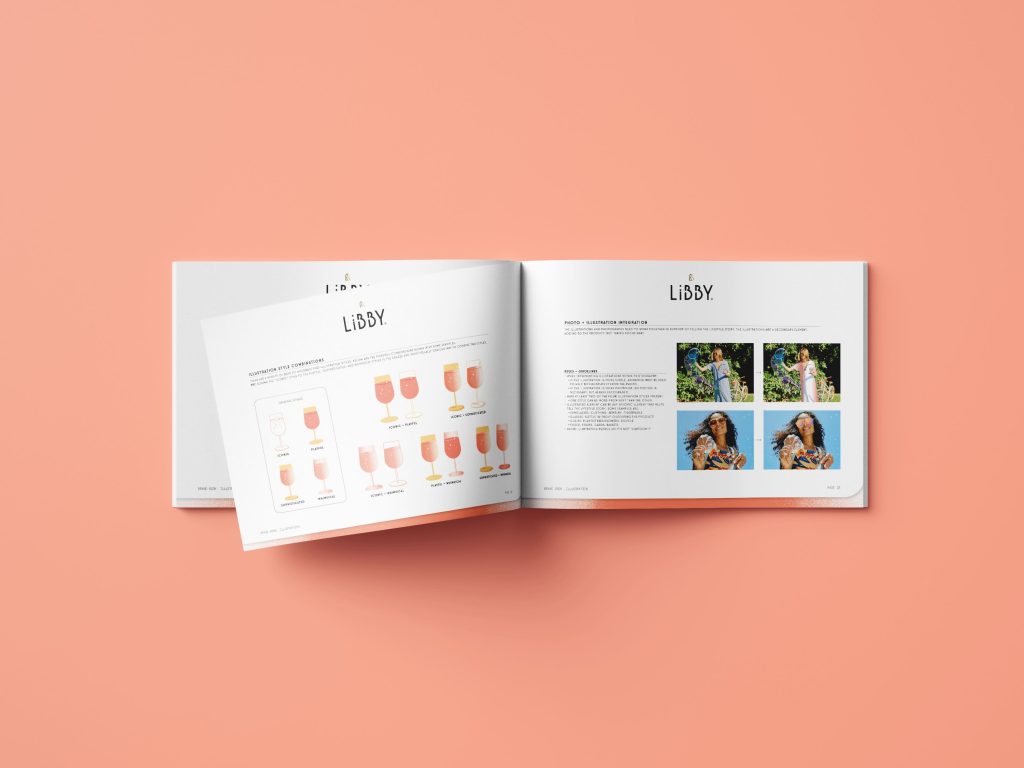
Visual & Verbal Identity: Bright, uplifting tones and approachable language that mirrored the lightness of the product itself.
Campaign Development: Lifestyle-driven creative that framed Libby not as a substitute, but as an upgrade — the choice for people who know what they want out of life (and what they don’t need in their glass).

The Research: A Culture Ready for Change
Our audit of the low- and no-alcohol wine landscape revealed a category ripe for storytelling. While most competitors leaned on functional claims — “less sugar,” “fewer calories,” “0.0% ABV” — few brands spoke to emotion.
We built Libby around the human truth: consumers don’t want restriction; they want freedom. The freedom to socialize, focus, drive home, wake up early — all without losing the joy that a glass of wine represents.
By blending this emotional territory with data-driven insight, we found Libby’s white space: a non-alcoholic wine with soul.
The Brand: Wine Without the Weight
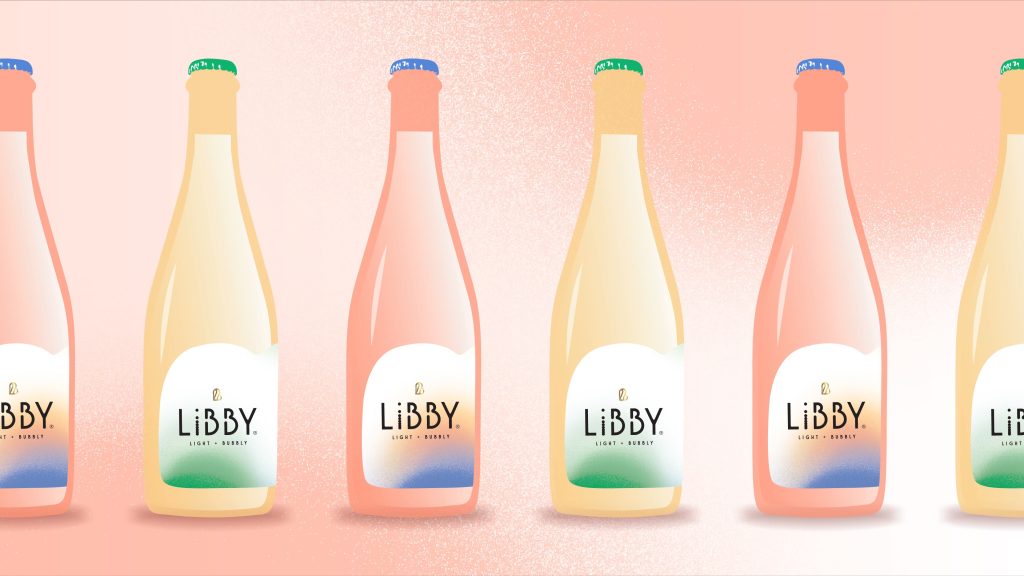
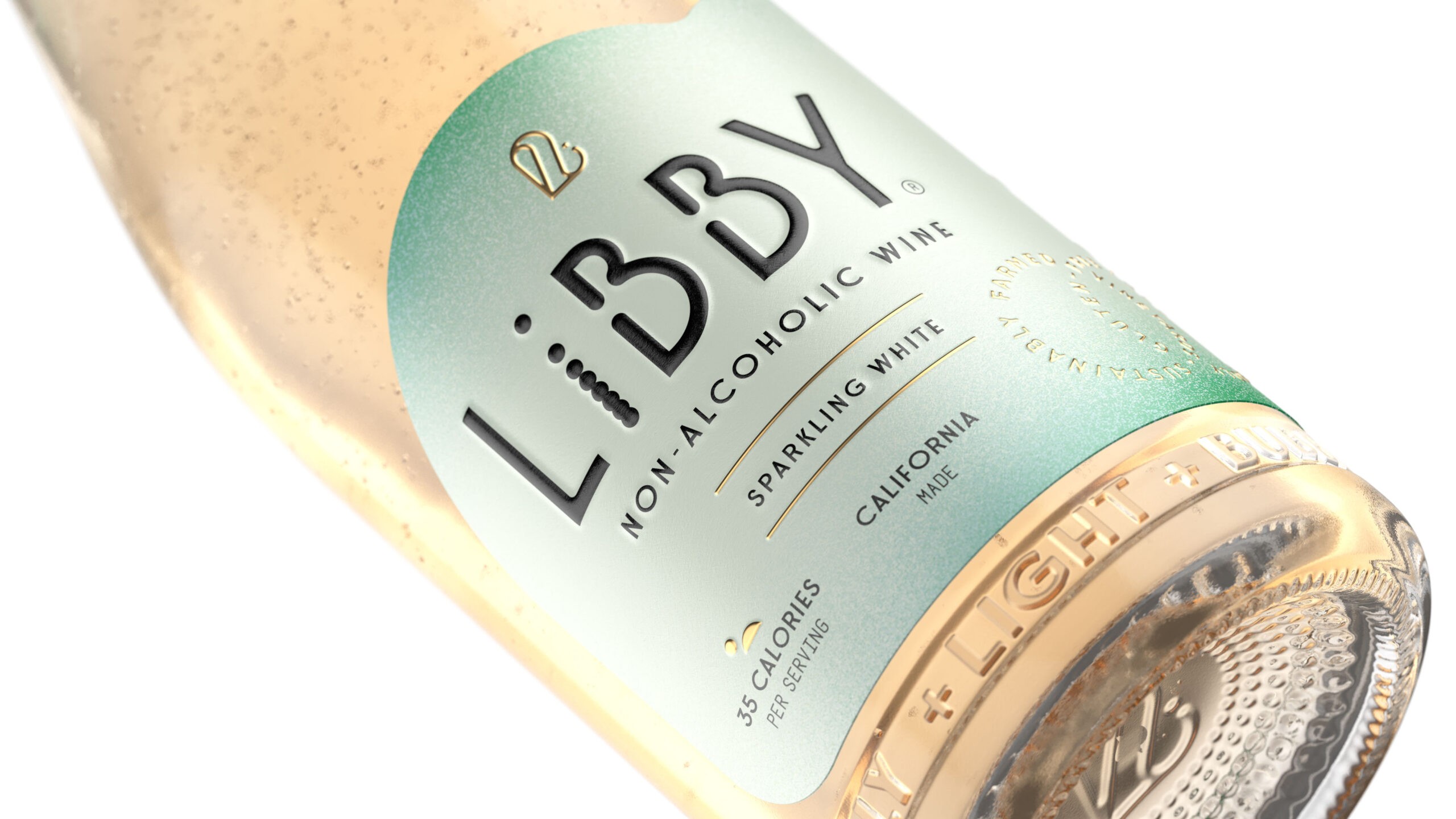
While Libby’s packaging identity existed, its platform didn’t. We evolved the voice, visuals, and story around one clear idea: wine that fits the moment you’re in.
We articulated the brand world through:
A refined yet playful tone that felt confident, not clinical.
Illustrative visual systems that blend energy and elegance.
A manifesto celebrating balance—less guilt, more joy.
The result: a modern non-alcohol wine aesthetic that felt equally at home in a downtown bar or a weekend picnic.
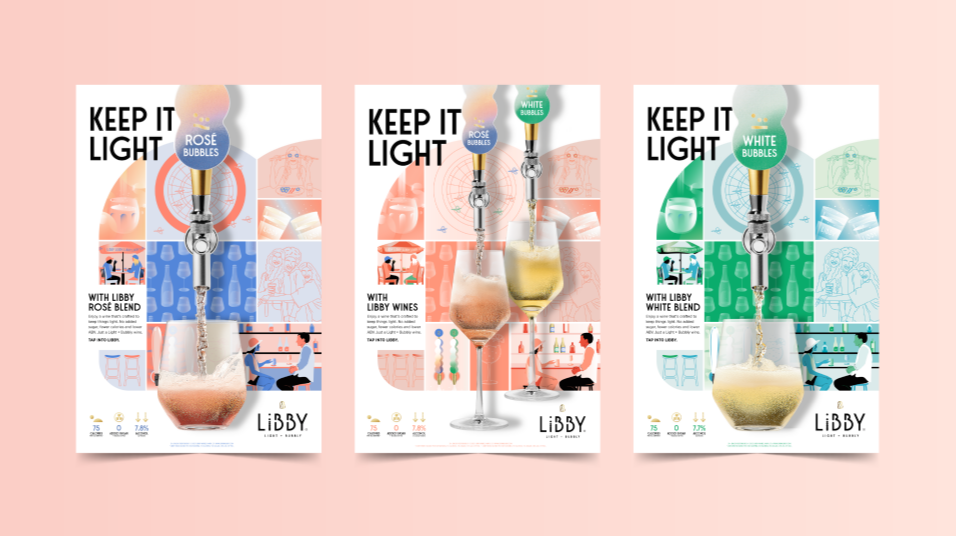
The Campaign: “Keep It Light with Libby”
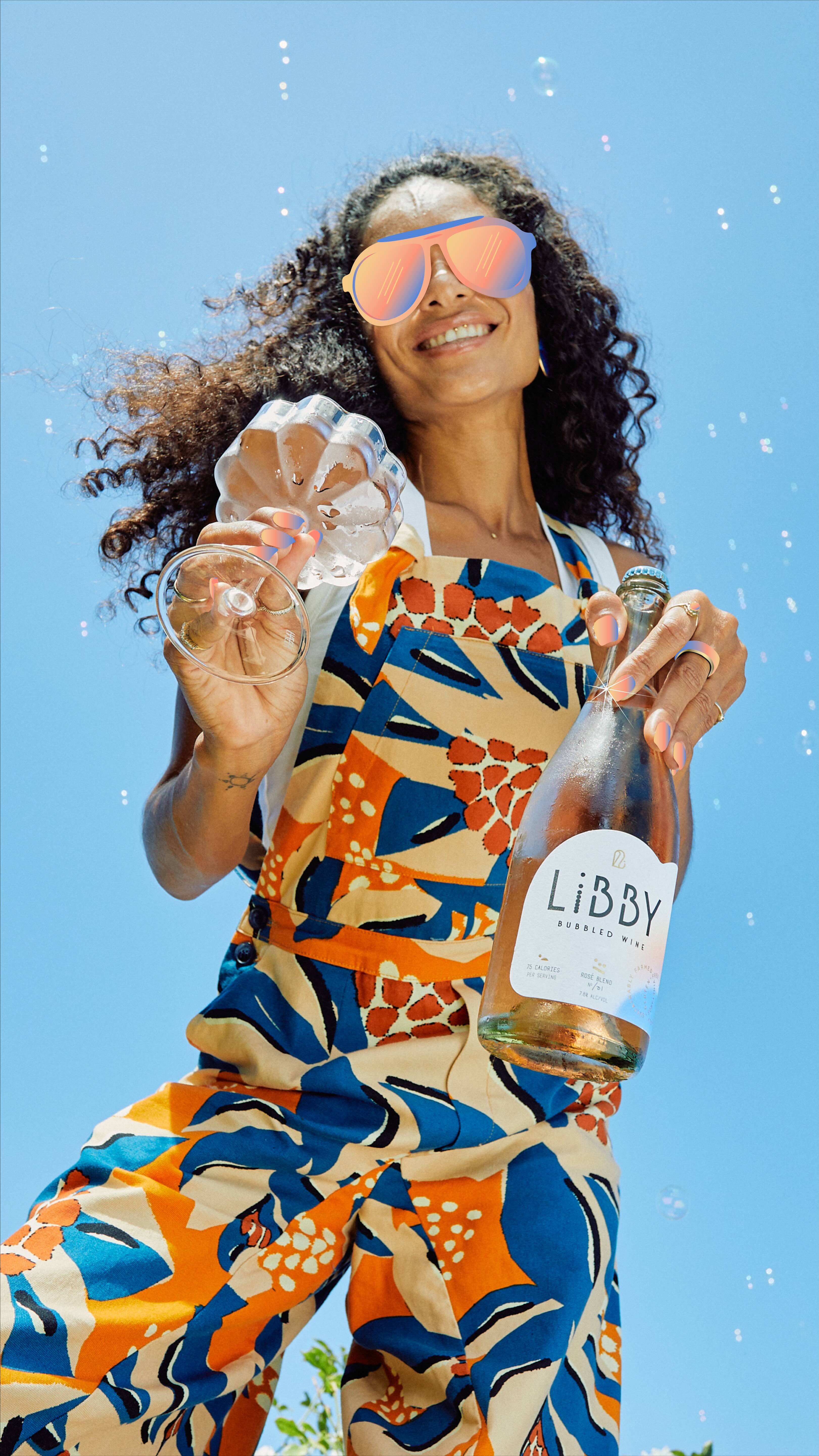
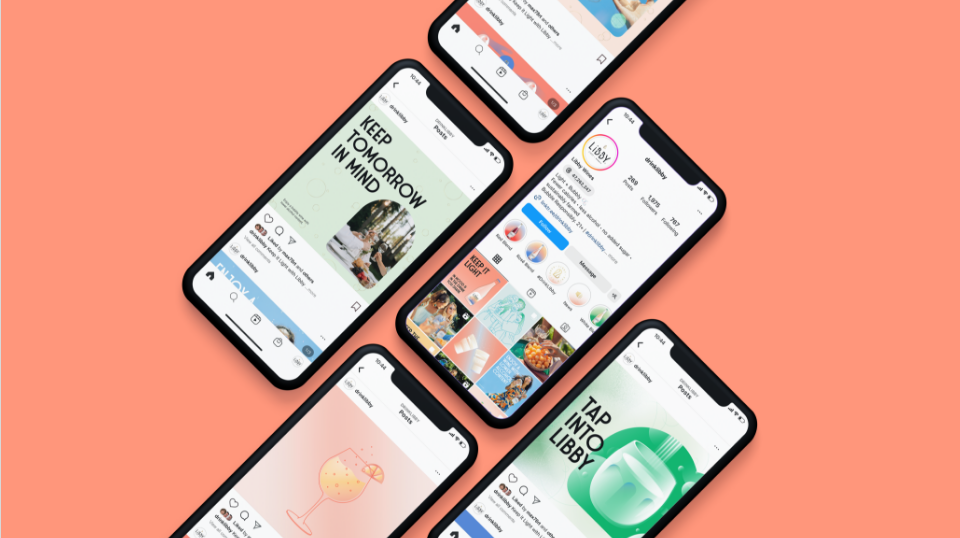
The campaign brought a sense of ease and optimism to every touchpoint. Using illustration, photography, and simple copy systems, we showed the vibrancy of wine without the weight of alcohol.
Key pillars included:
Flavor-First Storytelling: Sensory visuals and tasting cues that mirrored premium wine experiences.
Mindful Celebration: Scenes of connection — dinners, picnics, creative sessions — where Libby fit naturally.
Accessible Sophistication: Clean design and plainspoken copy that removed intimidation from the category.
Every message served the same idea: you don’t need alcohol to have a moment worth remembering.
The Result: Redefining the Pour
Libby didn’t just enter the non-alcoholic wine space — it elevated it. By combining category insight with cultural truth, the brand became a beacon for mindful celebration and a model for how legacy categories can evolve.
The success of Libby underscores a bigger shift: the future of wine is not about more; it’s about meaning.
Implications for What’s to Come
The low- and no-alcohol movement is now a cornerstone of modern beverage portfolios. Consumers are rewarding brands that help them live with intention — and punishing those that ignore the shift.
For brand leaders, Libby’s story offers a blueprint: innovation doesn’t have to mean invention; it means relevance. When a brand connects emotional insight with product innovation, it doesn’t just follow culture — it shapes it.