For decades, media budgets were the scoreboard. Whoever spent more, won more. But in 2025, that equation looks broken.
Advertisers are pouring record sums into paid media—yet category growth remains flat. Meanwhile, challenger brands with a fraction of the spend are owning the cultural conversation. From The Drum’s coverage of micro-moments driving brand fame, to AdWeek’s analysis of how cultural participation beats paid reach, the industry consensus is shifting: the new currency of brand growth is not media spend—it’s moments.
From Exposure to Experience
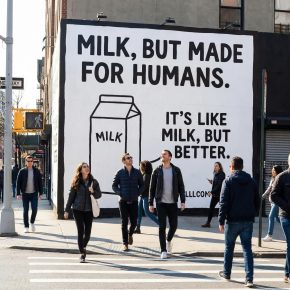
Advertising used to buy awareness. Now, it earns belonging. Campaign recently noted that today’s strongest brands don’t just appear in feeds—they show up in culture. Think of how Liquid Death hijacks concert venues, or how Nike connects its athletes to purpose-driven storytelling. These brands don’t rent attention; they build resonance.
Consumers no longer move linearly through a funnel—they move emotionally through moments. That shift reframes everything: from how marketers define success to how agencies design ideas.
We say “Culture doesn’t wait for annual campaigns,” at Agency Squid. “It rewards brands that engage daily with fresh, context-driven creative.”
Growth does not come from one big push. It comes from being compelling when it matters most.
The End of the Media Arms Race
AdWeek’s recent CMO survey showed that over 60% of marketers plan to increase paid media budgets this year—but only 27% believe they’re seeing greater ROI. At the same time, The Drum’s “Future of Marketing” series highlights that earned and experiential channels deliver 3x higher brand recall than traditional ad placements.
The problem isn’t that media doesn’t work—it’s that it’s been used as a crutch for creativity. Media spend can amplify, but it can’t save a message no one cares about.
Moments, on the other hand, are inherently shareable. They spark conversation, fuel participation, and drive what Campaign calls “social velocity.” Whether it’s a co-created drop, a live activation, or a brand’s unexpected cultural crossover, these moments have disproportionate reach compared to their investment.
Consumers no longer move linearly through a funnel—they move emotionally through moments. That shift reframes everything: from how marketers define success to how agencies design ideas.
Why Moments Matter More
Moments are cultural flashpoints, specific intersections of emotion, timing, and truth that feel both familiar and new. These moments give people a reason to invite a brand into their life instead of tolerating its presence in their scroll.
AdAge recently profiled brands that leaned into micro-moments: Stanley’s viral tumbler craze, Crocs’ resurgence through collaborations, and Coca-Cola’s “Create Real Magic” campaign—all of which built conversation equity before media even arrived.
Moments move fast, but they move deeply. As Wired put it, “attention has become the scarcest natural resource.” Brands that capture it through meaningful presence—not volume—win.
Our philosophy calls this cultural relevance—the art of integrating into the fabric of modern life. Brands that achieve it become part of the conversation, not a commercial break from it.
Data Meets Depth
That doesn’t mean ignoring performance metrics. Quite the opposite. The smartest marketers are using data to identify where and when cultural energy is building—and inserting creative fuel at the right moment.
As AdWeek reported in its “Creative Intelligence” issue, leading brands are blending social listening with predictive analytics to spot and shape trends in real time. But here’s the nuance: they don’t just react to data—they interpret it.
Squid’s approach bridges both sides: data identifies the opportunity, creativity multiplies its value. It’s not about being everywhere; it’s about being irreplaceable in the right place.
The ROI of Relevance
According to Campaign’s BrandZ analysis, brands that maintain strong cultural relevance outperform competitors by 31% in long-term brand value growth. They’re not buying more ads; they’re earning more meaning.
Silver Oak’s resurgence is a case in point. Once a legacy wine label losing relevance, it redefined luxury through cultural moments—NBA tunnel walks, a Paravel luggage collaboration, and features during New York Fashion Week. That moment-driven strategy reversed a 30% decline and sparked 7% growth within a year.
Or take Costa Farms—once a behind-the-scenes supplier, now a billion-dollar consumer brand. Its “All Thumbs Are Green” platform reframed plant ownership as self-expression, earning placement across retail giants and 70% growth in 18 months.
Those weren’t media spend stories. They were moment strategies.
The Emotional Economy
AdAge calls this the “feel something economy.” People buy based on emotion and justify with logic. The best brands use micro-moments to connect emotionally, then let performance marketing close the loop.
Think of Zesty Paws: instead of shouting product claims, Squid made pet owners smile through “Flipped Tails,” giving every dog and cat its own voice. That emotional hook lifted unaided awareness by four points and purchase intent by nearly 100% within weeks.
When campaigns behave like conversations—not commercials—they earn their place.
The Decline of One-Way Advertising
Muse by Clios recently asked whether advertising has lost its sense of surprise. Too many campaigns, it argued, are predictable: same storytelling arcs, same tone, same influencer playbooks. What’s missing is the spark—the moment of human truth that feels alive.
Moments can’t be templated. They’re built at the speed of culture and powered by empathy. They’re what make someone pause mid-scroll and think, “that’s me.”
And they’re far more efficient than throwing money at impressions. As AdWeek put it, “reach without relevance is just noise.”
Designing for the “Always-On” Moment
The modern brand doesn’t need a calendar—it needs a compass. Culture moves too fast for seasonal campaigns alone. Agency Squid’s hybrid model helps brands embed creativity into daily operations, ensuring cultural fluency at every touchpoint.
That means treating each day as a chance to engage—not to sell. Whether it’s a pop-up tasting, a reactive social post, or a collaboration with an unexpected partner, moments work best when they’re built on shared values, not forced virality.
As The Drum’s 2025 Trend Report notes, “brands that design for serendipity outperform those that over-engineer.”
What the Future Looks Like
The brands that will dominate the next decade won’t be the ones shouting the loudest. They’ll be the ones showing up at the right time, in the right context, with the right emotion.
The strongest brands will think in movements, not media buys. They will invest in creativity as infrastructure, not as a cost center. Success will be measured not just in impressions, but in cultural impact.
Agency Squid calls this business transformation at every touchpoint—where brand strategy, creativity, and culture converge to create commercial success.
Because the future of brand growth isn’t about how much you spend—it’s about how much people feel.