



Every CPG category is in motion right now, making brand strategy more important than ever. Nutrient density is replacing diet culture as the primary purchase driver. Private label has matured past “value tier” into a legitimate formulation competitor. GLP-1 medications are reshaping how a meaningful portion of your audience thinks about portions, ingredients, and what “better” actually means. Global flavors that were specialty two years ago are landing in everyday formats.
Most brands are responding to this with packaging updates and campaign refreshes. That is the wrong order of operations. Creative work applied to unclear or outdated positioning does not fix the underlying problem. It only hides it for another campaign cycle. The current CPG moment requires a strategic audit of where your brand stands, what it owns, and whether its original consumer segment still exists.
This work must come before creative. However, most brands skip it when category pressure is high and speed feels urgent. We have seen what happens when teams ignore it. At Agency Squid, it is where we begin.
What Is Brand Strategy for a CPG Brand?
Brand strategy for a CPG brand is the documented framework that defines what the brand stands for, who it serves, how it differentiates from competitors and private label, and what it says across every touchpoint. It connects consumer insight to positioning to creative — so that every downstream decision, from packaging to campaign platform, is pulling in the same direction.
Why "Better-For-You" Is No Longer a Position
When clean label was a differentiator, brands could build a positioning around the absence of things. Brands could differentiate by excluding artificial colors, high-fructose corn syrup, and synthetic sweeteners. That worked when most of the shelf still had those things. It does not work when the category has largely caught up and removal has become table stakes rather than reason to choose.
Nutrient density, functional ingredients, and clean formulation are now baseline consumer expectations across large sections of the food and beverage category. Brands still leading with these attributes as their primary positioning are not differentiating — they are describing the floor. The brands gaining ground are the ones that have built a clear point of view on top of that floor: who the product is genuinely for, what specific outcome it is solving, and why this brand is the one to trust with that problem.
Why does brand positioning matter for CPG brands in a crowded "better-for-you" category?
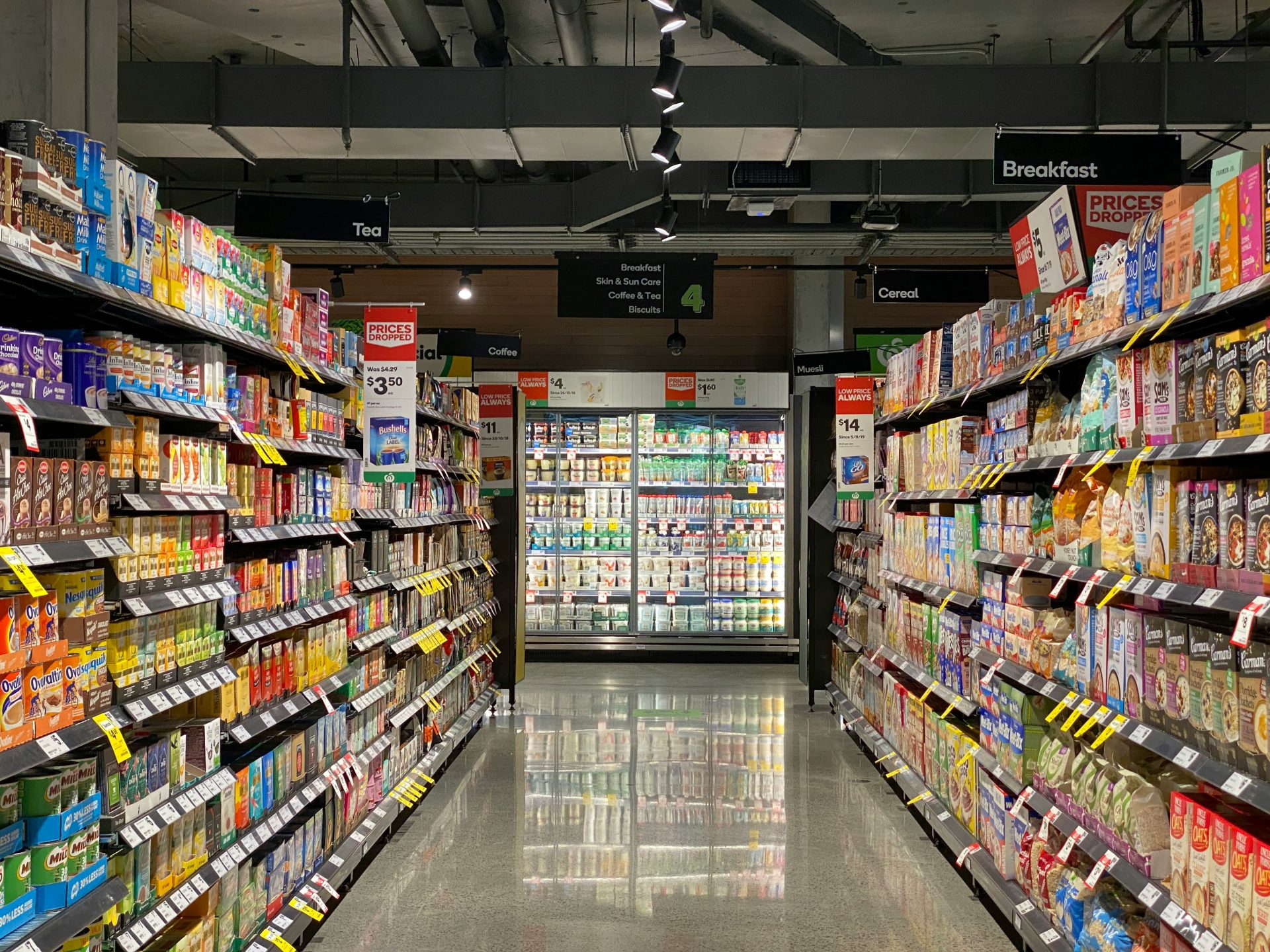
When formulation parity rises across a category, brand positioning becomes the primary commercial differentiator. A consumer standing in front of twelve protein bars with similar ingredient profiles makes a choice based on brand signals: who this brand seems to be for, whether it reflects their identity, and whether they trust the claim. Brands without a clear, specific positioning lose that decision to whichever competitor has the clearest one — or to private label, which increasingly has competitive formulations at a lower price.
This is the question every CPG brand needs to answer right now with a brand strategy built around specificity: what do we own that is not replicable at scale by a retailer with a private label program? The answer is almost never “clean ingredients.” It is usually something about who the consumer is, what specific tension the brand resolves, or what the brand represents culturally. Finding that and building toward it is strategy work. It shapes identity, packaging, messaging, and campaign platform. Skipping it means all of those things get built on an unstable base.
Private Label Has Raised the Strategic Stakes
Private label is no longer the budget option. Retailers are investing in formulation, packaging, and brand presentation in ways that are genuinely competitive with national brands across the grocery category. This is a structural shift, not a cycle. Brands that justified their premium primarily on distribution, packaging quality, or general brand familiarity are increasingly exposed.
The strategic question is not how to out-market private label. It is how to identify and build the specific brand equity that a retailer’s program structurally cannot replicate. That includes things like a genuine origin story with commercial credibility, a community of consumers who have an identity relationship with the brand, a level of category expertise that earns media and cultural attention, or a product experience that requires proprietary process or formulation. These are the assets that justify national brand pricing. Documenting them clearly — and building brand identity and campaign work around them — is a brand strategy decision, not a creative one.
Your Consumer Segment May Have Fractured
The GLP-1 adoption curve is real and it is affecting purchasing behavior in ways that are not yet fully visible in category data. Consumers using these medications are making different decisions about portion size, protein density, and what “filling” means. This is happening alongside, not instead of, the broader nutrient density shift and the Millennial and Gen Z wellness approach, which is flexible and ingredient-driven rather than structured around a diet framework.
What this means practically is that a consumer segmentation built three years ago may be pointing at a population that has fragmented. The “health-conscious grocery shopper” is not a monolith. One group now uses medication that changes its relationship with food. Another follows personalized nutrition, while others prefer more sophisticated global flavors.
What is a go-to-market brand strategy for a CPG brand navigating consumer fragmentation?
A go-to-market brand strategy connects consumer insight with positioning and launch planning. This framework identifies the priority audience, its current needs, and the most effective messages and channels. Rather than acting as a media plan, it provides the strategic foundation that makes media planning coherent.
The brands that will navigate consumer fragmentation well are the ones doing rigorous consumer insight work before they brief creative or build campaign platforms. Not annual survey data. Active listening in the communities where their target consumers are actually talking about food, health, and purchase decisions. That insight needs to feed back into positioning before it feeds into messaging.
Global Flavor Is a Cultural Tension. Use It Strategically.
Harissa, chimichurri, and wasabi are showing up in everyday CPG formats because younger consumers have built a genuinely more sophisticated palate through travel, delivery apps, and social food culture. This is not a trend to chase for its own sake. It is a signal about what the category’s growth consumers value and how they want to be seen.
For brands with the right category position and consumer base, global flavor is a campaign platform, not just a product extension. It represents a cultural tension between the familiar and the adventurous that good brand strategy can build around. The brands that will do this well are the ones that have done the positioning work to know whether their brand has the credibility to show up in that territory — and what the narrative is that makes the move feel coherent rather than opportunistic.
Trend-chasing without a strategic anchor is one of the most expensive mistakes in CPG. A reformulation or a new SKU that does not connect back to a clear brand positioning creates confusion at shelf, dilutes the core brand message, and rarely earns the retailer support or consumer uptake that justified the investment. The question is not whether global flavor is growing. The question is whether your brand has a right to be in that conversation, and what the story is. That is a brand strategy question.
Ready to Do the Strategy Work First?
If your brand is facing any of these shifts — clean label parity, private label pressure, a consumer segment that has changed shape, or a category trend you are trying to figure out how to respond to — the starting point is strategic clarity, not a new campaign.
We work with CPG brands to build the positioning foundation before creative investment goes in. If that conversation is worth having, let’s talk.


